
Red Sea Restoration Lab: Jeddah X Suakin
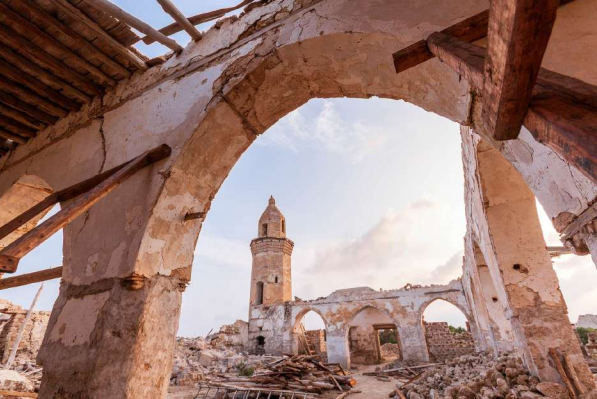
The Red Sea Museum will host a specialized two-day workshop bringing together the restoration
experience of Suakin and Historic Jeddah as two historic Red Sea port cities shaped by maritime
exchange, pilgrimage routes, coral-stone architecture, community and urban transformation.
The workshop builds on the Suakin Community Heritage Peace Project’s focus on conservation
management, local training, community engagement, sustainable restoration and the future
use of restored buildings. The program will adapt an applied conservation and documentation
lab. Students will learn from specialists who worked on Suakin and Jeddah, comparing methods
of building recording, material understanding, safety precautions, lime and plaster restoration,
community engagement, rehabilitation and adaptive reuse.
A key component of the workshop will be a photogrammetry session, where students will learn
how photography can be used as a documentation tool for heritage buildings. Following a
guided site orientation in Historic Jeddah, students will apply basic photogrammetry techniques
to selected architectural elements of the Bab AlBunt building, using the Red Sea Museum itself
as a case study. The final output will be a small student documentation package that records
selected parts of the building through photographs, notes, measured observations and a basic
photogrammetry-based visual output. The workshop will also address rehabilitation and
adaptive reuse, exploring how historic buildings can be conserved while gaining new civic,
cultural, educational or community functions. Through the comparison between Jeddah and
Suakin, students will reflect on how restoration can preserve architectural character and allow
heritage buildings to remain active and accessible for the local community.
Specialized Two-Day Workshop | Cross- annoucement with RSC XII
Program Flow
Day 1 – Red Sea Restoration Context + Historic Jeddah Orientation
• Morning Session | Red Sea Port Cities and Restoration Approaches
Introduction to the workshop and its objectives, followed by short
presentations on Suakin and Historic Jeddah as Red Sea port-city heritage
sites. The session will introduce conservation management, community
engagement, sustainable restoration, local training, and the challenges of
restoring historic buildings in living urban contexts.
• Midday Session | Suakin × Jeddah Technical Exchange
Specialists from the Historic Jeddah and Suakin project team will present
comparative approaches to materials, recording, foundations, archaeology,
safety precautions, lime use, plaster restoration and rehabilitation. The session
will highlight what students can learn from comparing two Red Sea heritage
contexts.
• Afternoon Session | Guided Tour in Historic Jeddah
Students will join a guided orientation in Historic Jeddah focusing on coralstone architecture, façades, openings, plaster, urban fabric, adaptive reuse
and the relationship between restored buildings and community life.
• End of Day Reflection
Group discussion on key observations from Historic Jeddah and how these
relate to Suakin, Bab AlBunt, and the wider story of Red Sea architectural
heritage.
Day 2 – Photogrammetry Lab + Bab AlBunt Documentation
• Morning Session | Introduction to Photogrammetry for Heritage Documentation
Students will learn the basics of photogrammetry as a tool for documenting heritage
buildings, including how to photograph architectural details, capture overlapping images,
record scale, document surfaces, and prepare visual material for digital processing.
• Midday Session | Applied Documentation Exercise at Bab AlBunt
Students will work in small groups to document selected architectural elements of the
Red Sea Museum building, such as arches, openings, coral-stone surfaces, façades,
plaster details, thresholds, or structural details. Each group will collect photographs,
measurements, notes and visual observations.
• Afternoon Session | Rehabilitation and Adaptive Reuse Discussion
Using Jeddah and Suakin as comparative case studies, students will discuss how heritage
buildings can be restored, interpreted and reused as cultural, educational or community
spaces.
• Final Output and Group Presentations
Each group will present a documentation board or digital output showing their selected
architectural element, photography sequence, notes, conservation observations and
proposed interpretation or reuse purposes.
Expected Learning Outcomes:
Students will gain an introduction to Red Sea architectural heritage, conservation thinking,
building documentation, photogrammetry, material awareness, rehabilitation, adaptive
reuse and the role of communities in sustainable restoration.
Final Output:
By the end of the workshop, students will produce and present a documentation package
for selected architectural elements of the Bab AlBunt building. Each group will prepare a
short final presentation including:
• Photographs of the selected architectural element
• Basic measured observations and field notes
• A simple photogrammetry-based visual output or documentation board
• Conservation observations related to material, condition, surface, detail, or
architectural character
• A short explaination on how documentation supports rehabilitation, adaptive reuse and
interpretation of historic Red Sea buildings
• The final presentations will allow students to share their findings, compare approaches
and reflect on the relationship between Suakin, Historic Jeddah, and Bab AlBunt as Red
Sea heritage sites.
Balanced Representation:
The workshop should be developed as a balanced collaboration between Historic
Jeddah and Suakin project team, ensuring that students learn from both contexts.
Jeddah | Historic Jeddah (TBC)
• Hessa AlSudairy, JHD
• Architecture Conservator, JHD
• Dr. Francis Mallon, KAUST
Suakin | Suakin Community Heritage Peace Project 2025-26
• Michael Mallinson
• Dr Katherine Ashley
• Prof Assad Babiker
• Ahmed Bushra
Photogrammetry Equipment and Materials Needed:
For the photogrammetry exercise, students can use either smartphones with highresolution cameras or digital cameras. Each group should have access to:
• Smartphone or DSLR/mirrorless camera
• Tripod or stabilizer
• Measuring tape
• Scale bars or printed measurement markers
• Notebooks and clipboards
• Pencils and field recording sheets
• Laptop or tablet for image review
• Wi-Fi or computer access if basic processing is included
• Photogrammetry briefing material and example workflow
• Safety guidance for photographing in and around the building
Materials and Preparation:
Auditorium setup, projector, laptop, microphones, presentation screen, printed/digital
program, Historic Jeddah tour coordination, site access approvals, photography and
documentation permissions, group worksheets, field recording templates, photogrammetry
briefing materials, water, coffee breaks, lunch, technical support for final presentations.
Potential Academic Partners / Participants:
King Abdulaziz University, Effat University, University of Jeddah, Jeddah International
College or relevant heritage/museology programs such as Wrth.
More Information
Duration: Two-Day Workshop
Speakers: Suakin Community Heritage Peace Project team + Historic Jeddah restoration/documentation specialists
Capacity: 30 Student
Accessibility Information
We strive to make the museum experience inclusive for all.
Wheelchair accessible venue
Printed large-text materials upon request
Arabic and English interpretation available
Quiet space available nearby
Events You Also May Like

The Longest Blue Line
Sat, Dec 12 • 11:00 AM
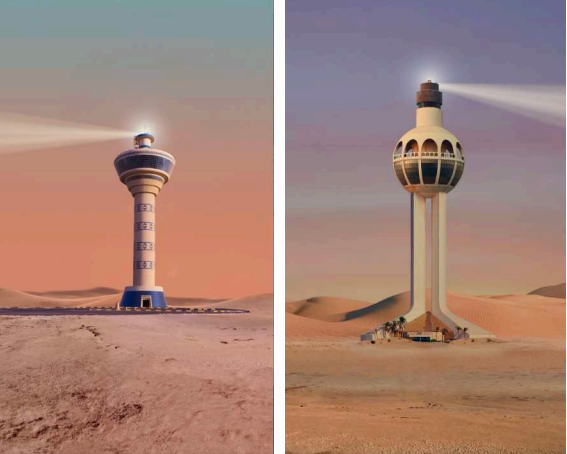
Exhibition Opening: Photographing the distance
18 July 2026, Saturday, 8:00 - 9:30 PM
This engaging workshop takes you through the tools, methods, and stories of traditional maritime navigation. Led by our curators and maritime historians
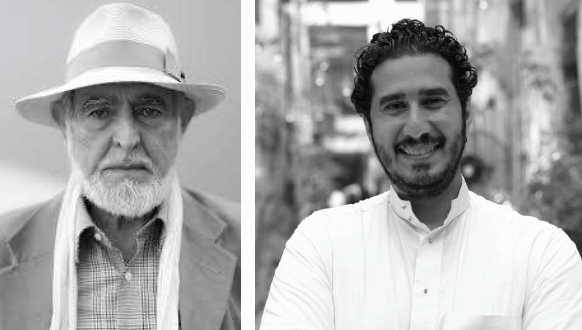
Between Two Generations: Architecture that Belongs
Fri, Oct 02 • 04:10 PM